

Aligning Policy with Proven Youth Program Outcomes
We invite government agencies, departments, and decision makers to partner with us — to embed prevention, rehabilitation, and sustainable change at scale. Your support and alignment can help ensure that the positive youth development outcomes we achieve at the individual level also reshape systems and communities.
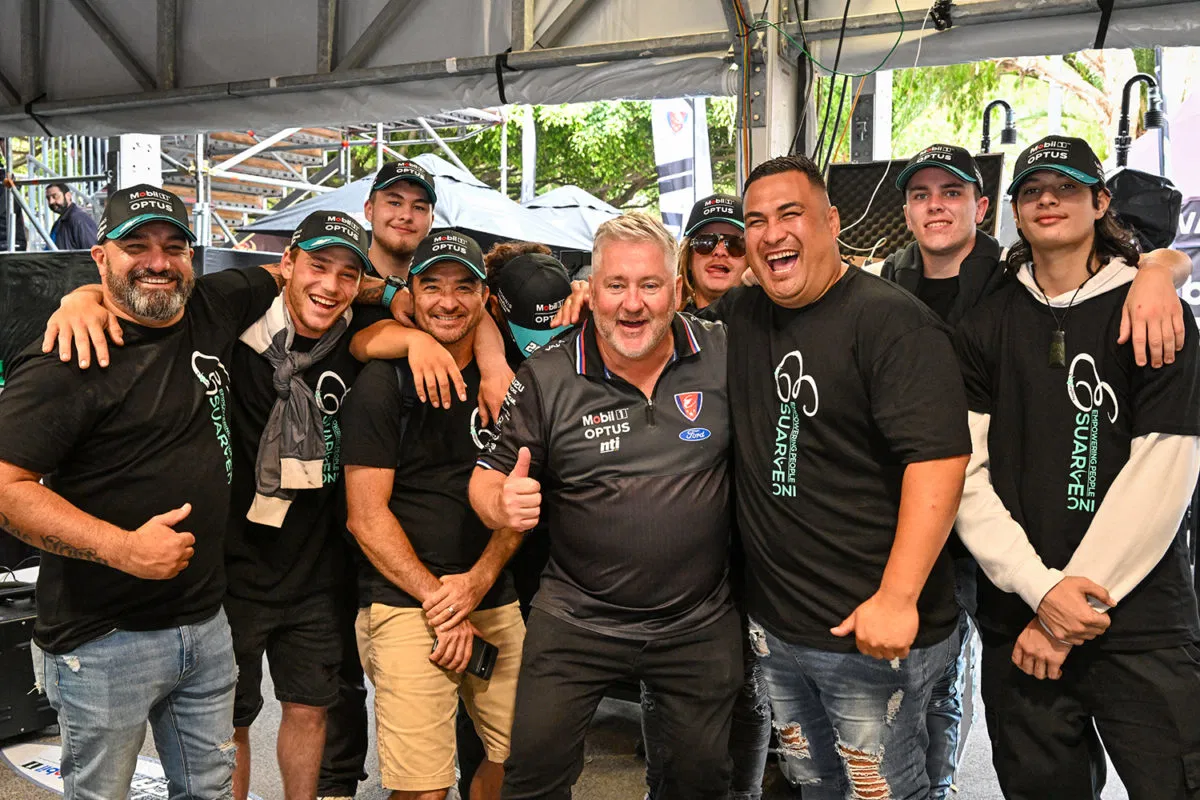
A Culturally Safe Approach to Youth Intervention in Queensland
We know that most young people caught in cycles of risk homelessness, disengagement, trauma, or offending — don’t need incarceration. They need support, structure, and someone who believes in them. Esuarve’s approach to youth intervention in Queensland is built on cultural safety, lived experience, and practical opportunity.
Our mentors have walked similar paths. They understand what it means to be written off and what it takes to rebuild. This shared understanding forms the foundation of trust — the first step toward change. Every participant receives wraparound care that includes wellbeing practices, vocational training, and strong community connection.
The result? Healing, confidence, and tangible skills that help young people move forward with purpose, away from risk and toward independence.
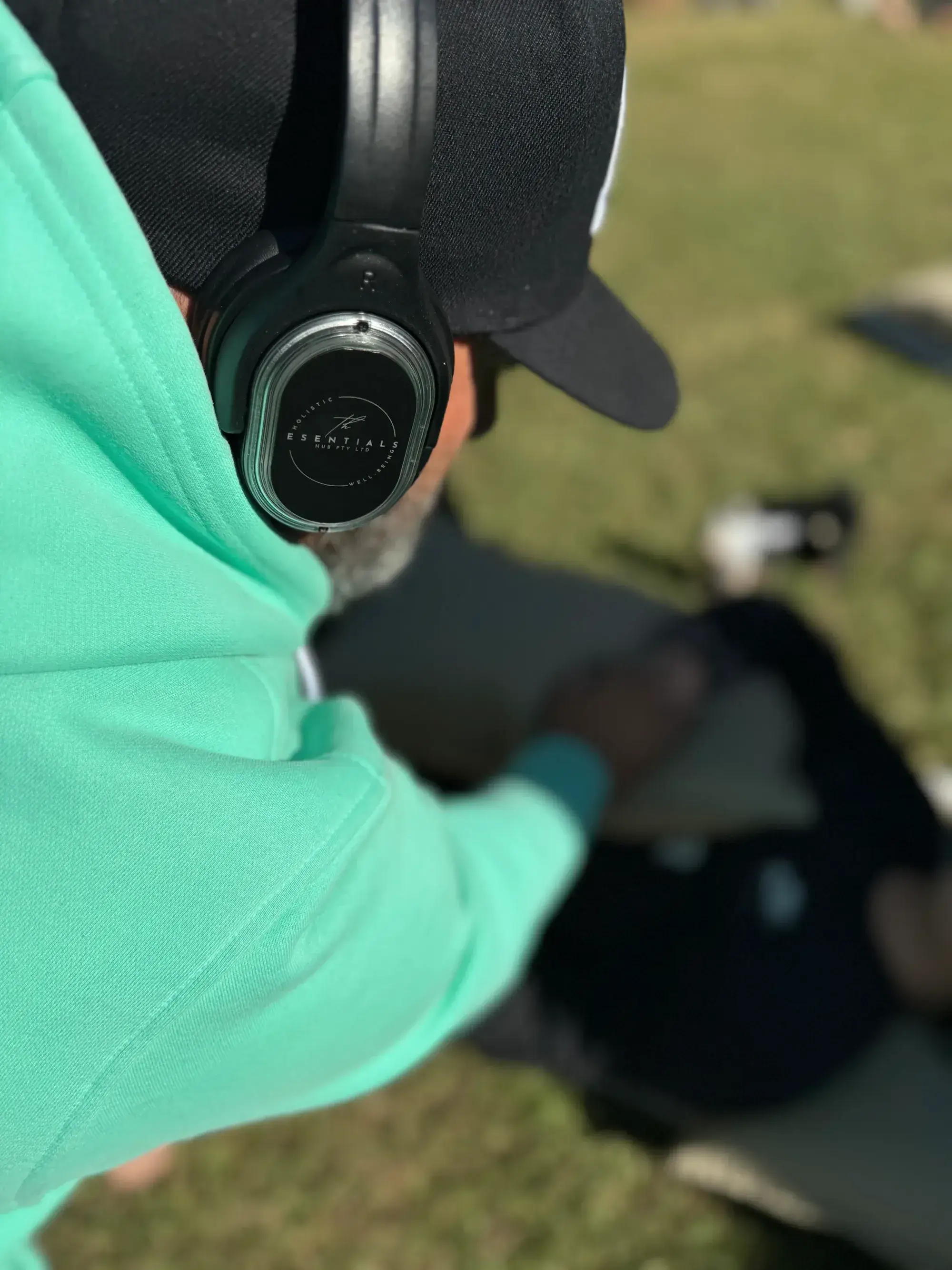
Since 2020, Esuarve has supported over 360 young people through our holistic pathways. Our internal and external evaluations show high retention, strong transitions into work or education, and strong decreases in recidivism. These real-world results underscore the strength of our approach.
Youth detention in Queensland can cost upwards of $738,000 per person per year, while Esuarve’s wraparound care costs are a fraction of that. Investing in intervention rather than incarceration is not only more humane, it’s fiscally prudent.
State initiatives such as “Staying on Track”, a 12-month post-detention rehabilitation program, and “Regional Reset” early intervention units are part of Queensland’s renewed emphasis on rehabilitation and prevention. The Premier of Queensland+2Queensland Government+2
Esuarve’s model naturally complements these reforms, providing a grounded, scalable partner for implementation.
Reports show that up to 84–96% of youth released from detention reoffend within 12 months, suggesting that traditional incarceration and transition services fail to address root causes.
By focusing on connection, care, and continuity, Esuarve bridges those gaps.
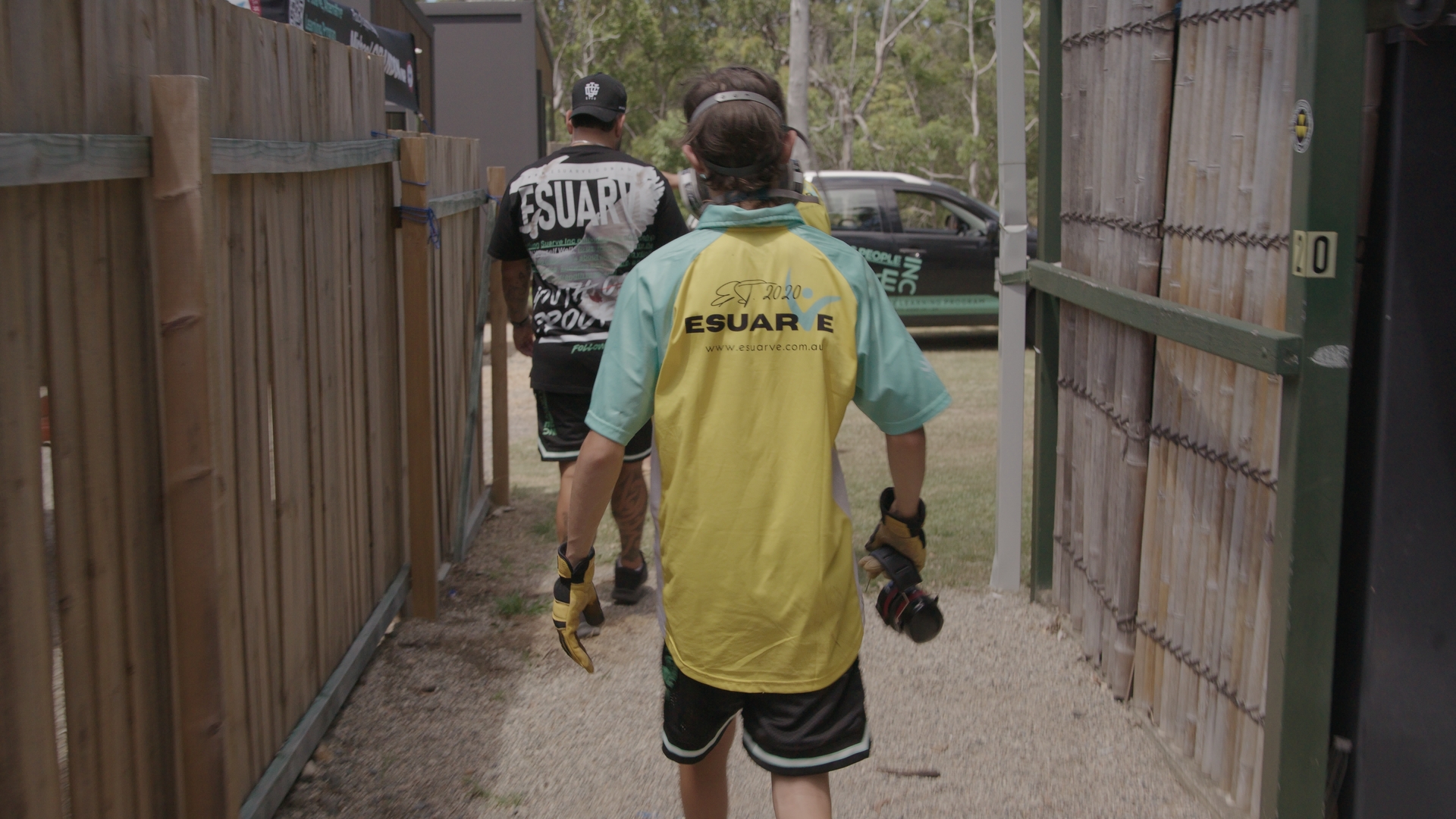
How Government Can Partner with Esuarve’s Model
Funding & Service Contracts
Governments can underwrite core programs, mentoring, wellbeing, training, transitional housing, through long-term funding contracts. This ensures program continuity and scale.
Policy Integration & System Design
Esuarve seeks collaboration in designing youth justice, mental health, and education policy. We can serve as co-design partners, embedding our trauma-informed, empowerment-based approach into statewide systems.
Regional Rollouts & Satellite Sites
By co-funding regional or remote expansions, government can bring Esuarve’s model into underserved areas, adapting for local context while maintaining fidelity.
Capital Investment & Infrastructure
Government support in capital works, such as wellbeing hubs, training centres, or supported housing, accelerates program reach. Esuarve’s planned Wellbeing Retreat Centre is one candidate for joint infrastructure investment.
Monitoring, Evaluation & Shared Accountability
We welcome co-creating data frameworks, joint evaluation protocols, and performance reporting that align government outcomes with Esuarve’s program metrics.
Demonstrating Youth Program Outcomes & Youth Rehabilitation
Our graduates evidence significant transformation, reduced offending, sustained education and employment engagement, restored relationships, and mental wellness. These stories illuminate what policy can foster when given the right tools.
Esuarve’s outcomes complement government-driven programs like “Staying on Track”, which offers 12-month support post-detention with 6 months intensive services.
We can partner to deliver service capacity and wraparound supports within such frameworks.Likewise, Queensland’s “Intervention, Rehabilitation, and Initiatives” strategy under the Safer Children, Safer Communities agenda strengthens early intervention across the state. Esuarve’s model draws from these proven frameworks while embedding stronger continuity and wraparound support, amplifying positive youth development outcomes.
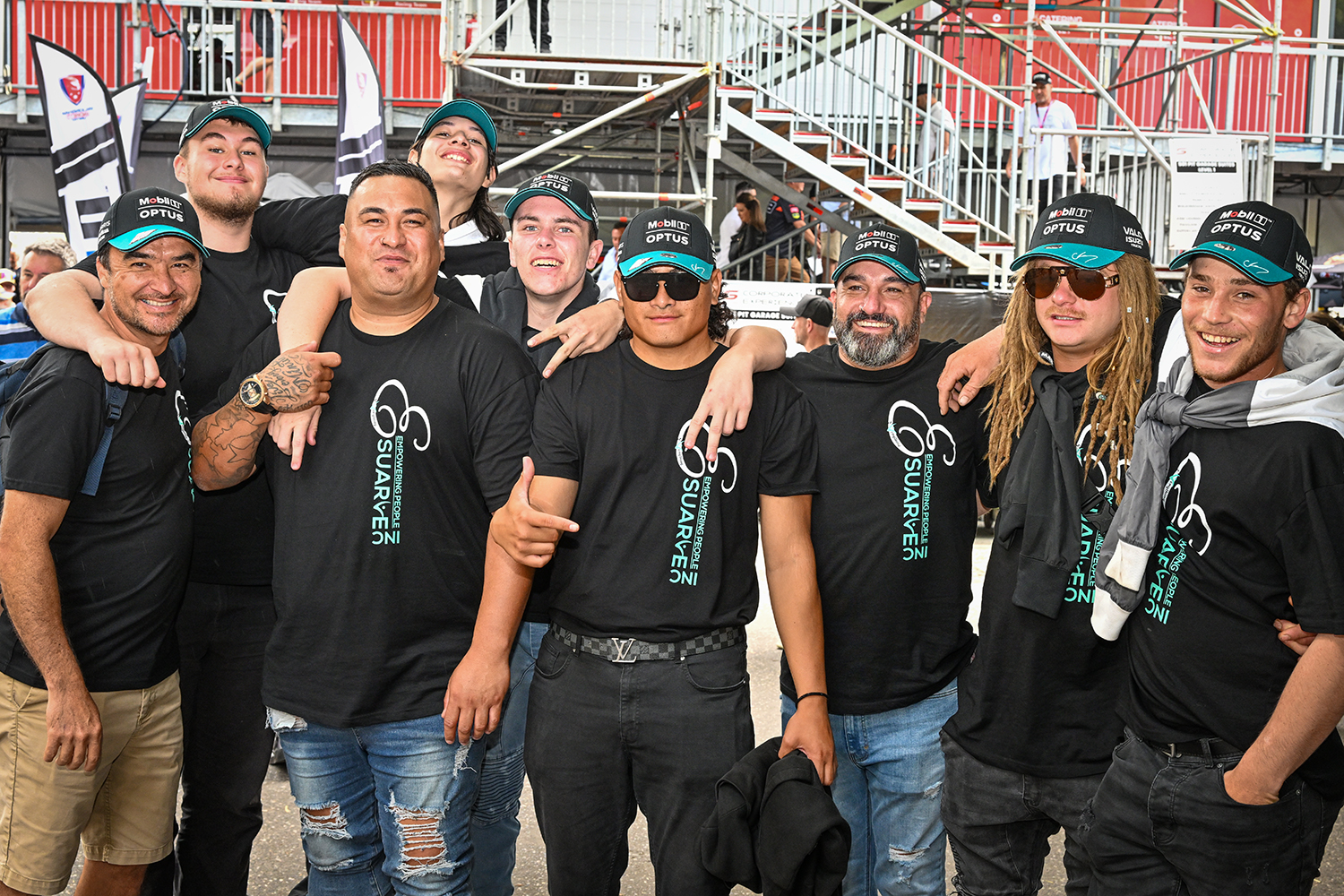
Governance, Integrity & Transparency
We recognise the high responsibility that government partners carry. Esuarve ensures:
.svg)
Clear governance structures with joint oversight required
Shared KPI frameworks and reporting cadence
Independent evaluation, audits, and quality assurance
Transparency in expenditure, outcomes, and participant feedback
Cultural safety protocols, especially for Aboriginal & Torres Strait Islander youth
Working with us means government partners can trust in accountability as well as impact.
Next Steps & Invitation to Policy Collaboration

Introductory briefing: We present our model, outcomes, and partnership options.

Co-design workshop: Identify target regions, streams, and evaluation frameworks.

Pilot deployment: Launch a regional site with joint oversight and review.

Scale & embed: Expand across Queensland with institutional funding and policy integration.

Sustain & iterate: Use continuous evaluation to refine, improve, and report over time.
By aligning with Esuarve, government and policy makers can go beyond programs to system reform shifting from reactive justice to proactive rehabilitation. Let’s make youth rehabilitation and positive youth development outcomes the benchmarks of Queensland’s future.
