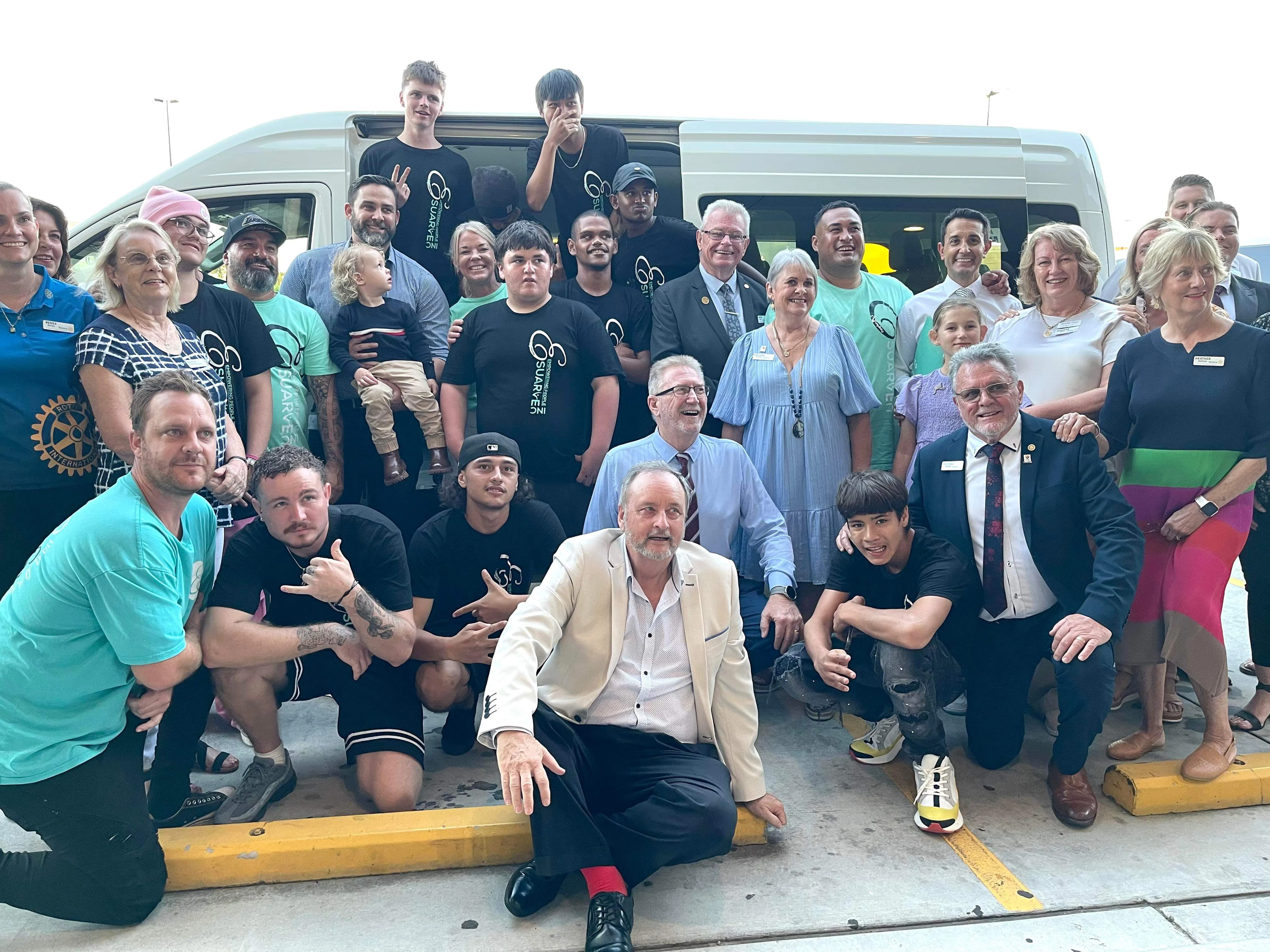

Walking Beside Young People Before It’s Too Late
This program sits at the heart of Esuarve’s mission to create a Queensland where every young person, no matter their past or circumstances, has a genuine chance to thrive. It’s not about punishment it’s about prevention, healing, and connection.
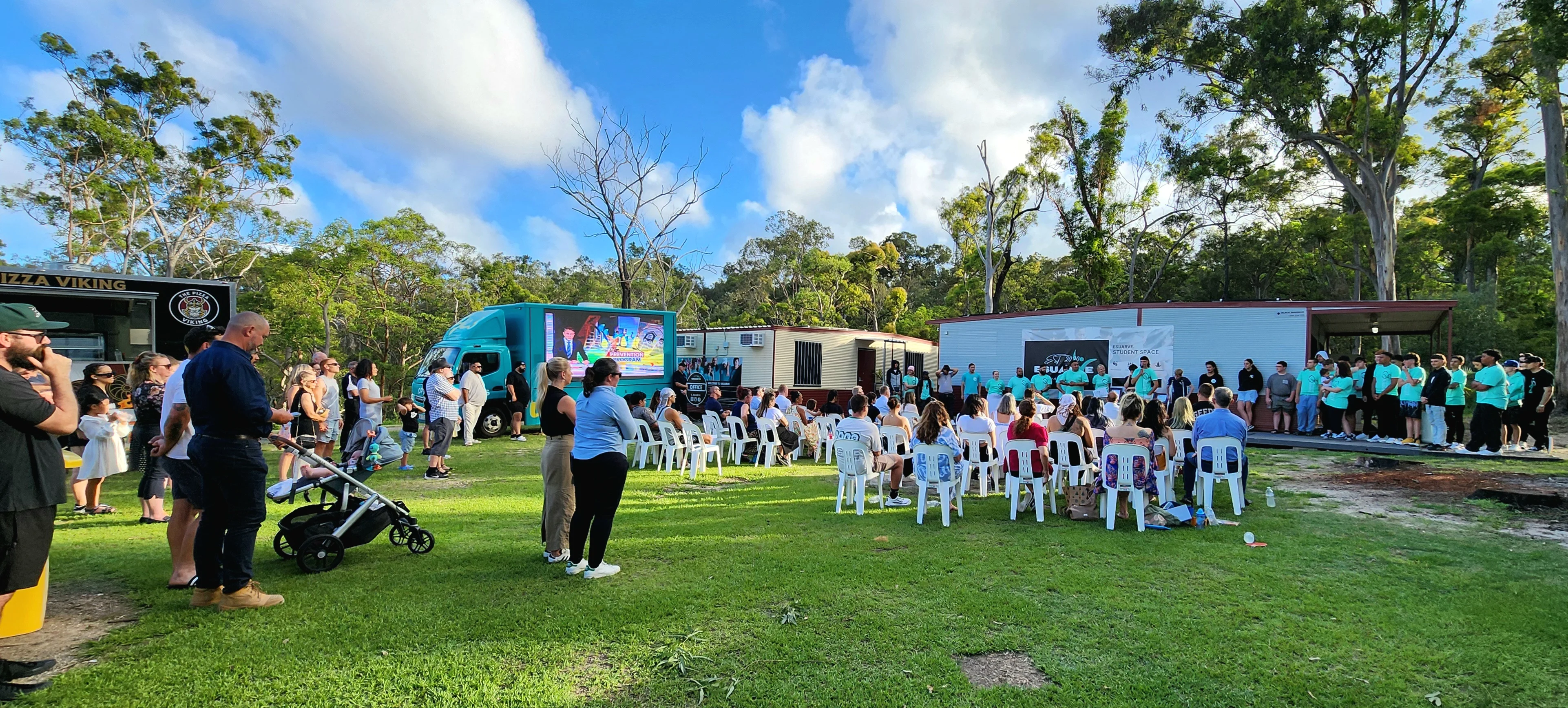
A Culturally Safe Approach to Youth Intervention in Queensland
We know that most young people caught in cycles of risk homelessness, disengagement, trauma, or offending — don’t need incarceration. They need support, structure, and someone who believes in them. Esuarve’s approach to youth intervention in Queensland is built on cultural safety, lived experience, and practical opportunity.
Our mentors have walked similar paths. They understand what it means to be written off and what it takes to rebuild. This shared understanding forms the foundation of trust — the first step toward change. Every participant receives wraparound care that includes wellbeing practices, vocational training, and strong community connection.
The result? Healing, confidence, and tangible skills that help young people move forward with purpose, away from risk and toward independence.
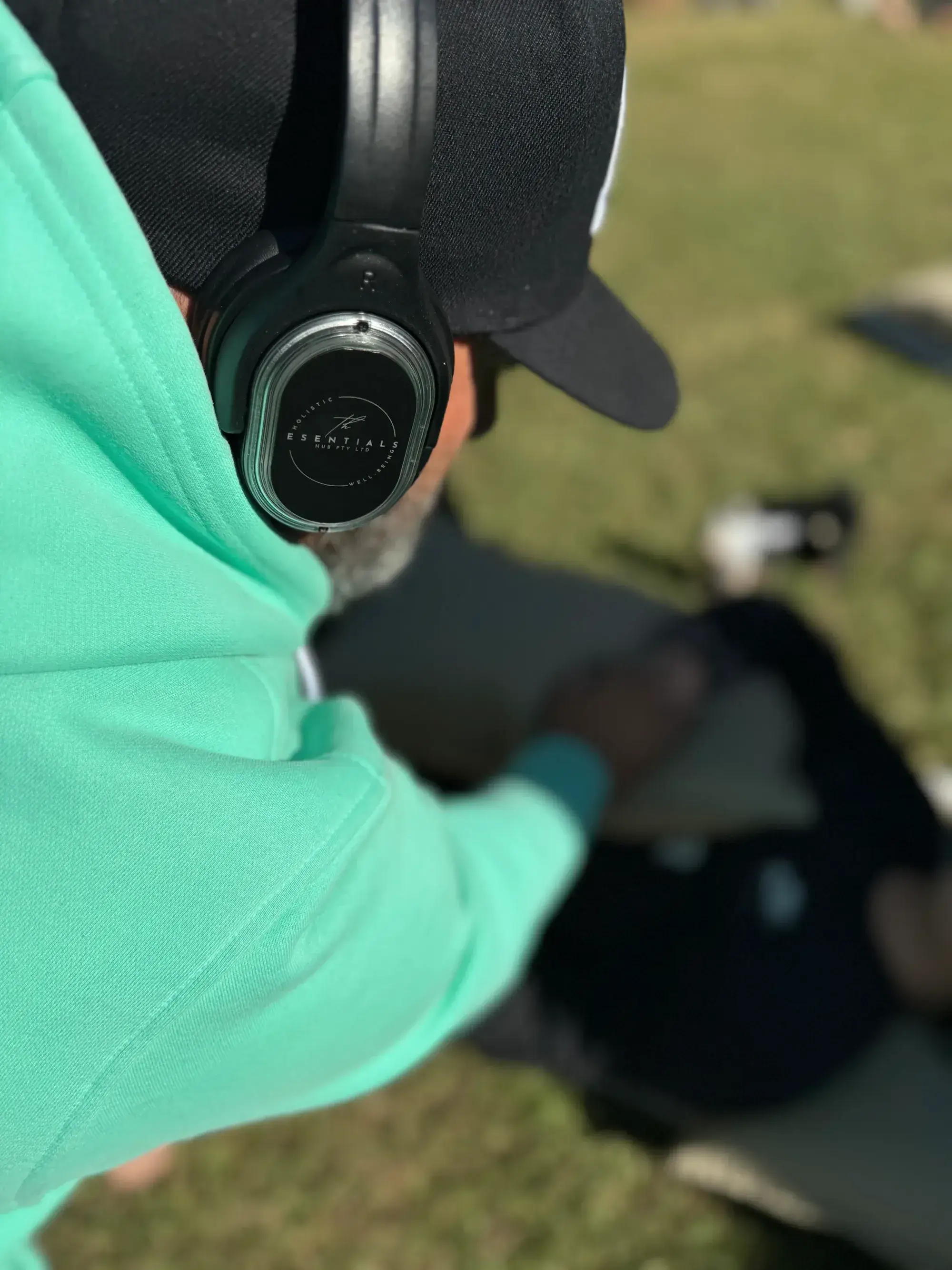
Daily wellbeing practices such as meditation, breathwork, and resilience training. Mentorship from people who’ve walked the same journey, creating trust traditional institutions often can’t. Education and skills training, ensuring participants leave with nationally recognised certificates.

Youth crime prevention – A 79% reduction in reoffending rates proves that holistic care works better than detention.

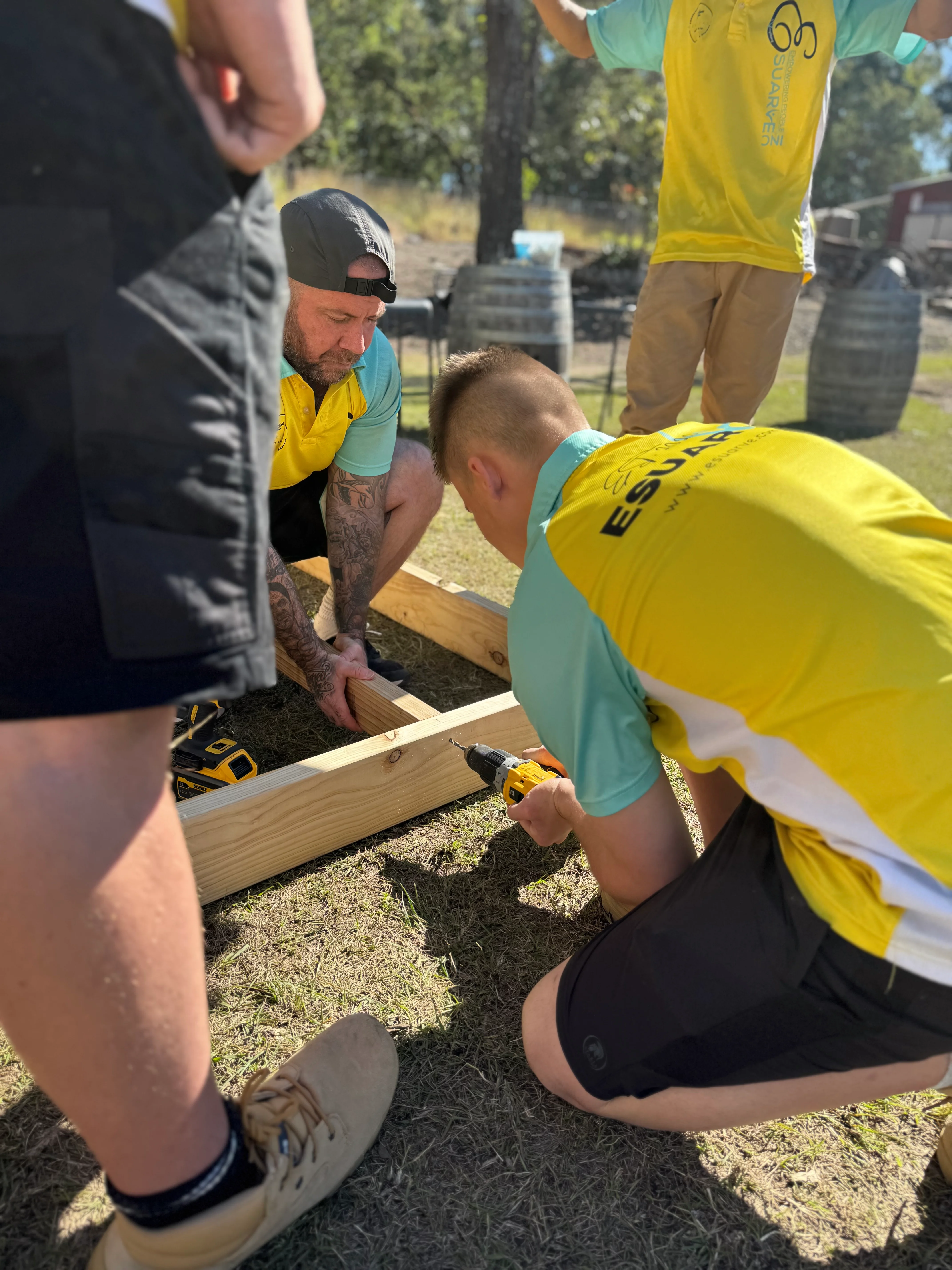
Housing stability – Through our Tiny Homes initiative, young people help build real homes while earning trade qualifications.

Workforce development – Participants graduate with nationally recognised certificates and move into industries facing skill shortages, such as construction and hospitality
This integrated model ensures that each young person has the emotional regulation, cultural grounding, and career direction to build a sustainable future.
Programs That Build Futures
Lived Experience Mentoring
Our mentors are not authority figures they are allies. Many have lived through the same struggles, and that authenticity builds genuine relationships. Through one-on-one mentoring and group sessions, participants learn life skills, emotional regulation, and accountability in a safe environment.
Wellbeing and Healing
Daily mindfulness, breathwork, and counselling help young people learn how to manage stress and emotions. Cultural reconnection and storytelling help rebuild self-worth and belonging, especially for Aboriginal and Torres Strait Islander participants.
Vocational Training and Tiny Homes
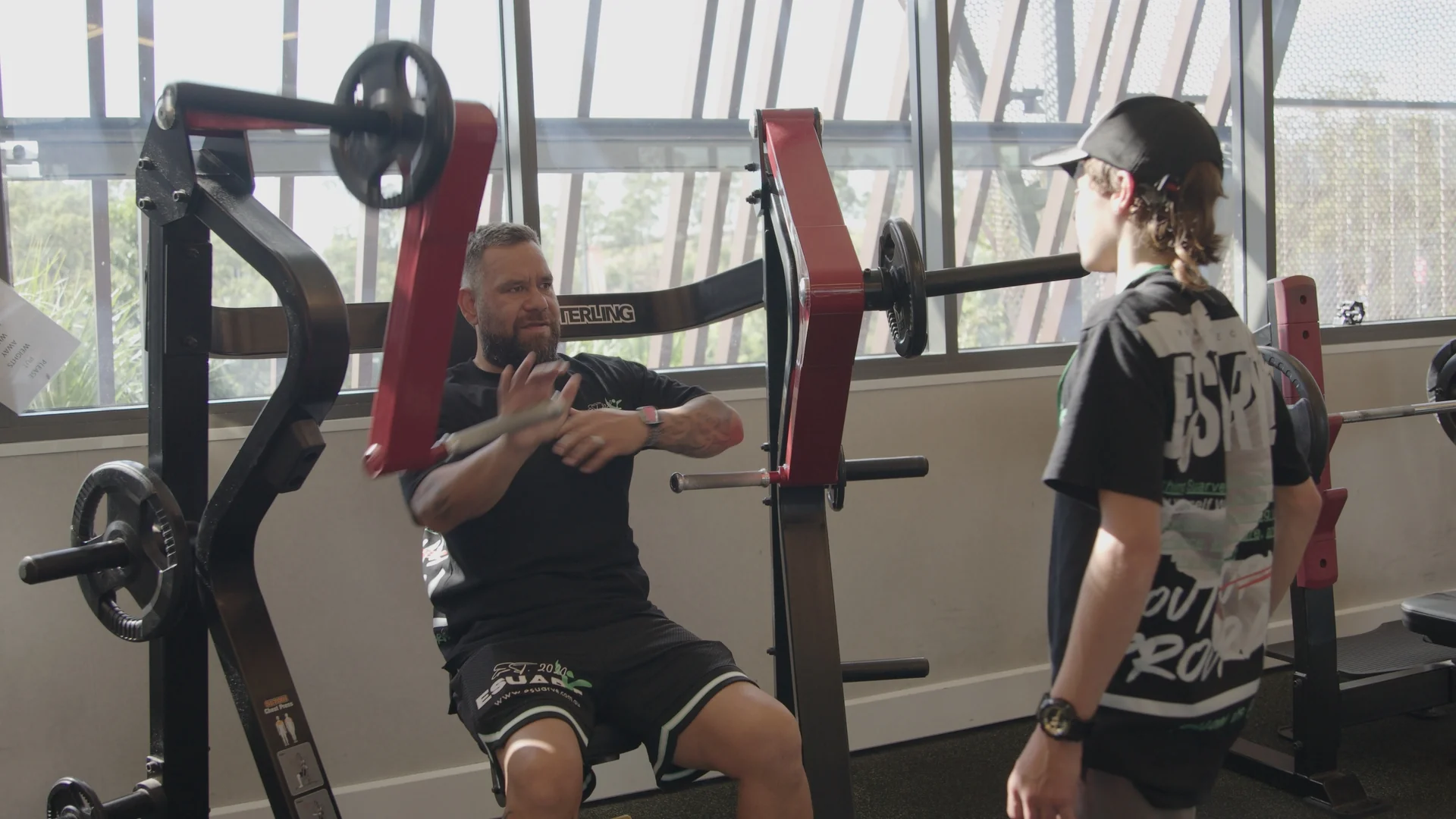
Participants earn accredited trade qualifications while contributing to the construction of Tiny Homes, real housing that doubles as a training platform. It’s a hands-on, empowering way to learn, build, and give back.
Pathways to Education and Employment
With the help of our Pathway Partners Network, participants move into apprenticeships, TAFE programs, or full-time work. Ninety percent of graduates transition successfully into employment or study, setting them up for long-term independence
Cultural Connection
Healing begins with identity. We ensure that cultural safety and pride are embedded in every part of the program. Through cultural mentorship, yarning circles, and heritage engagement, young people rediscover their roots and their confidence.
A Proven Model for Youth Crime Prevention in Queensland
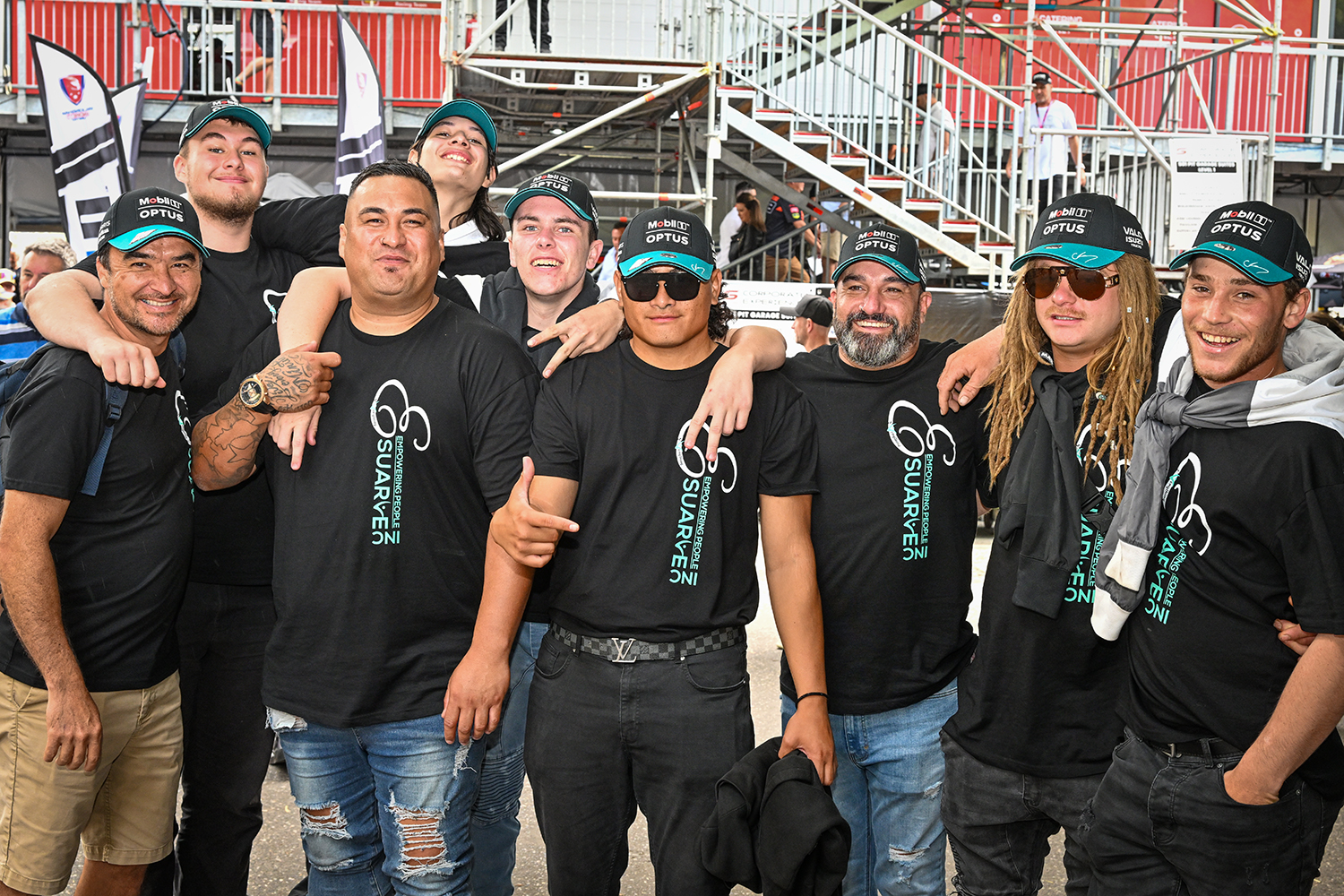
Our early intervention model has transformed over 300 young lives since 2020,
providing 43,000+ hours of wellbeing support and 78,000+ hours of training
Independent evaluations show:

79
98
90
Beyond statistics, these are stories of young people who have broken cycles of trauma and built new futures.
Each success story ripples through families and communities, reducing strain on the justice system and creating safer, stronger neighbourhoods.
Early Intervention for “Inbetweeners”
Esuarve’s program also targets young people known as “inbetweeners” — those stuck in detention not because of reoffending, but because they lack a safe address for release
Esuarve Strategic Plan 2025-203….
Through our Tiny Homes and housing partnerships, we provide stable accommodation and a 12-month rehabilitation plan, offering a viable alternative to prolonged incarceration.
This unique initiative demonstrates how early intervention can prevent unnecessary custody, reduce government costs, and give young people a chance to reset their lives in a supportive environment.
Our Vision for Queensland’s Future
Esuarve’s vision is bold but achievable — a Queensland where youth crime prevention begins with compassion, not confinement. Over the next five years, Esuarve will expand its reach through the establishment of a Wellbeing Retreat Centre on the Gold Coast — a flagship hub combining housing, wellness, and vocational training
Esuarve Strategic Plan 2025-203….
By scaling up to 100 participants annually, this centre will demonstrate that holistic, trauma-informed early intervention isn’t just effective — it’s essential for a safer, more equitable Queensland.
Join the Movement
When you support Esuarve, you’re not just donating to a program — you’re investing in prevention, dignity, and future community leaders. Together, we can shift Queensland’s approach from reaction to prevention, from punishment to partnership.
Whether you’re a policymaker, educator, employer, or community member, you can play a role in reshaping youth intervention across Queensland.
Because every young person deserves to be seen, believed in, and given the chance to hold themselves well.